Load the ship: an Android puzzle of route-aware container stacking
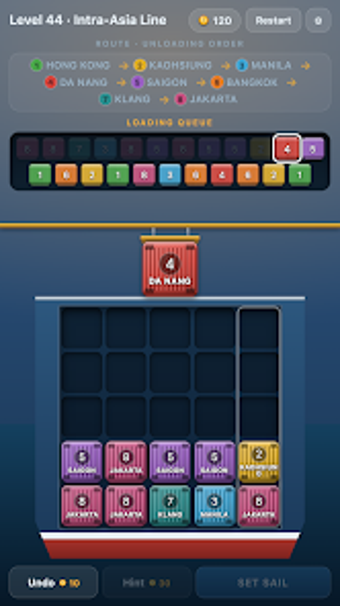
Load the ship, by GameLeap, challenges players to arrange cargo for multi-port routes on Android devices, turning logistics into a puzzle. Players stack colorful containers using one-tap controls while accounting for delivery order, so early-stop cargo stays accessible. The game pairs physics-based loading animations with progressive routes and varied 3D ship models. It suits casual puzzle fans who enjoy sorting mechanics and short, plan-focused sessions.
What kind of game is Load the ship?
Load the ship is a mobile puzzle that blends stacking with route planning: the core loop asks players to place containers so later stops do not block earlier deliveries. The central challenge, described as an "unloading dependency" mechanic, forces multi-step thinking rather than single-move stacking. Levels are short and puzzle-based, so the play session design favors repeated quick attempts over long uninterrupted runs.
Does it have a multiplayer mode?
The title is primarily a single-player experience; the documentation notes solo puzzles and level progression rather than competitive or cooperative modes. Certain features, like advertisements and level updates, may use an internet connection, which affects some mobile features. That focus on solitary planning frames the game for players who prefer puzzle problem-solving without social matchmaking or live opponents.
What does the game look and sound like?
Visually, the game uses colorful 3D ship models and vibrant harbor backdrops to soften the logic challenge. Physics-based loading and unloading animations add tactile feedback when stacks shift or slide. Audio design supports the mood with unobtrusive effects that emphasize container movement, helping players track misplacements without intrusive cues. The presentation aims for a relaxed atmosphere while keeping the puzzle readable on small screens.
Is it hard to get started and how does it progress?
Onboarding is immediate thanks to simple one-tap controls and short initial levels, which lowers the barrier for casual players. Difficulty increases through additional routes and more complex cargo dependencies, rewarding anticipatory planning. Some earlier releases included a bug in the loading queue display, so observing the queue carefully matters. Progression unlocks new ship visuals and harbor environments as puzzles introduce layered constraints.
In summary, Load the ship suits planners more than multiplayer seekers
Load the ship is a thoughtful pick for players who enjoy short, logic-driven puzzles and the mental exercise of sequencing moves across multiple stops. Players seeking social features or long-form sessions may find the single-player route-focused design limiting. The game rewards methodical thinking and repeated attempts, making it well suited to commuters or puzzle fans who like route-based challenges rather than competitive play.